The European construction sector accounts for nearly 50% of natural resource consumption and nearly 40% of waste generation. It is in this context that RYA would like to draw your attention to the issue of materials, encourage you to reflect on your choices, and offer you alternatives! To move beyond the linear “extract-produce-consume-dispose” model, we propose a rational and innovative use of resources—whether material or human—through integrated and environmentally conscious management.
Depending on the project, the concepts of repurposing existing structures, modularity, and flexibility guide our choices with a vision that extends beyond the project itself and allows for its future evolution.
In this way, together we can integrate the principles of the circular economy into your projects.


For renovation projects, RYA offers to transform an inventory of construction “waste” into an “inventory for future reuse” of materials that will be demolished, dismantled, or removed.
This analysis helps identify opportunities for reuse on-site or through alternative channels, or, failing that, to plan for a well-thought-out, selective disposal process that prioritizes recycling channels.
The design of the project helps limit waste generation throughout the construction process and beyond, right up to the end of the structure’s life.
RYA encourages you to prioritize materials that are biodegradable at the end of their life cycle and easily recyclable, while also favoring mechanical fasteners (rather than adhesives) to facilitate disassembly.
Effective coordination with the contractor in charge of the work also helps limit waste generation during construction.
Reusing existing materials on-site during a renovation or choosing to work with reused materials is quite an adventure that can take time. But it allows you to preserve a piece of history on the job site while avoiding the use of new materials if existing ones will suffice.
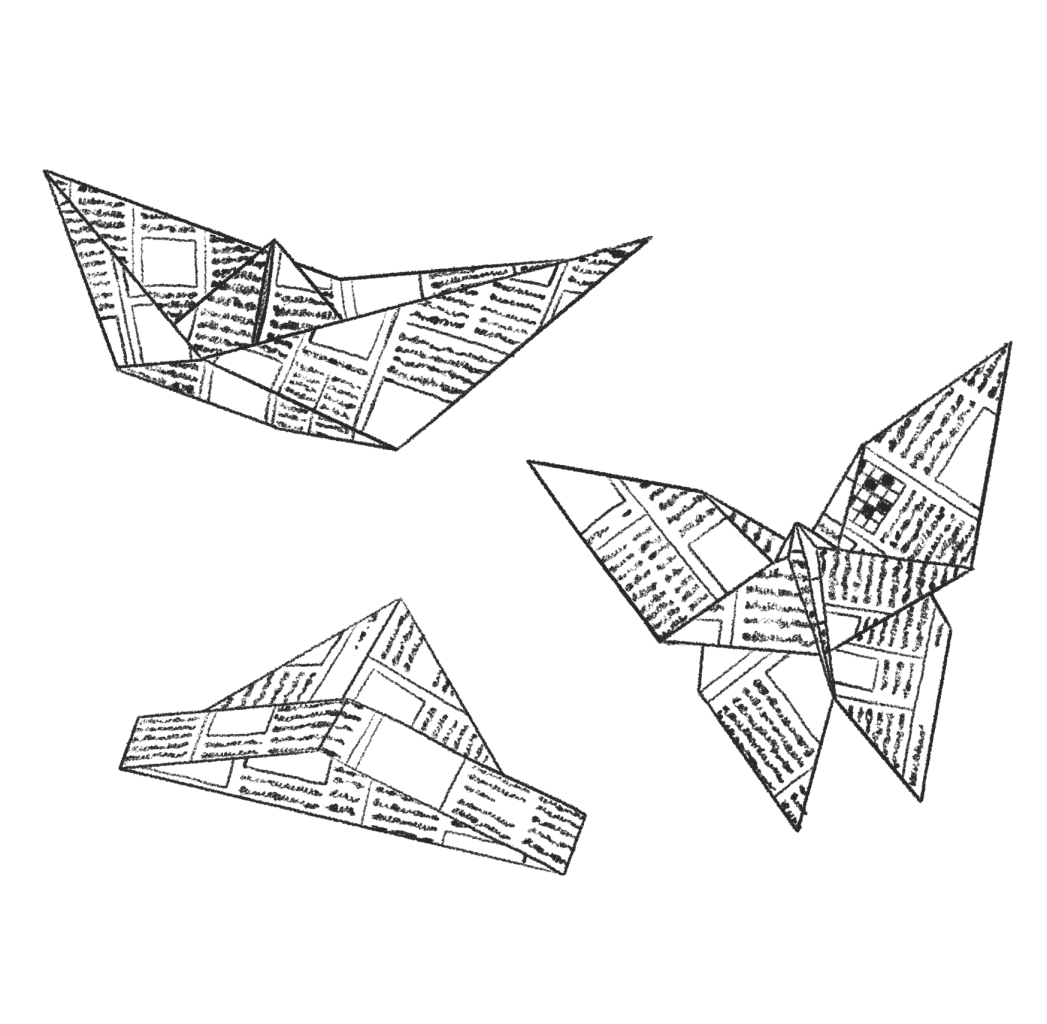
Old materials become resources!
RYA offers an inventory of existing materials that are still usable before starting a renovation or guides you toward reuse opportunities through specialized platforms, networks, and businesses.
Reuse and waste management are considered from the initial sketches through to the project’s completion.
The construction phase is designed to generate local jobs by leveraging local skills, rather than resorting to demolition, which is sometimes unnecessary and a source of pollution.

RYA offers a flexible and scalable architectural design that meets your needs today and tomorrow.
There are many aspects to consider:
For example, in the case of a roof renovation followed a few years later by the insulation of a facade, it is essential to ensure that the roof extends far enough to accommodate this subsequent insulation.
In this context, it’s hard not to mention ‘gray energy’.
The life cycle assessment (LCA) of buildings covers several levels: materials, building components, and the building as a whole. Ideally, a building is flexible and adaptable. Its components can be disassembled, repurposed, and recycled, and sustainable material selection is achieved by balancing constraints and expected performance with information regarding their environmental impacts.
To help the Belgian construction sector objectively assess and reduce the environmental impacts of buildings, the three Regions have developed the TOTEM tool. This allows us to evaluate the environmental impact of building components or buildings as a whole. By modeling a building or a component, TOTEM provides various insights that guide designers in optimizing their choices to reduce environmental impacts.
In addition to conducting energy studies (PEB, PHPP, etc.), we can support the project in terms of sustainability in the broadest sense:
Please feel free to email us your projects. We will contact you to discuss your project and send you a clear and detailed quote.